

The Importance of Financial Literacy in Today’s World
In an era where financial decisions can significantly impact our lives, the importance of financial literacy has never been more pronounced. Financial literacy encompasses the knowledge and skills needed to make informed and effective decisions regarding financial resources. It is a crucial asset that empowers individuals to manage their money, make investments, and plan for the future. This article explores the significance of financial literacy, its benefits, and how it can be cultivated in today’s society.
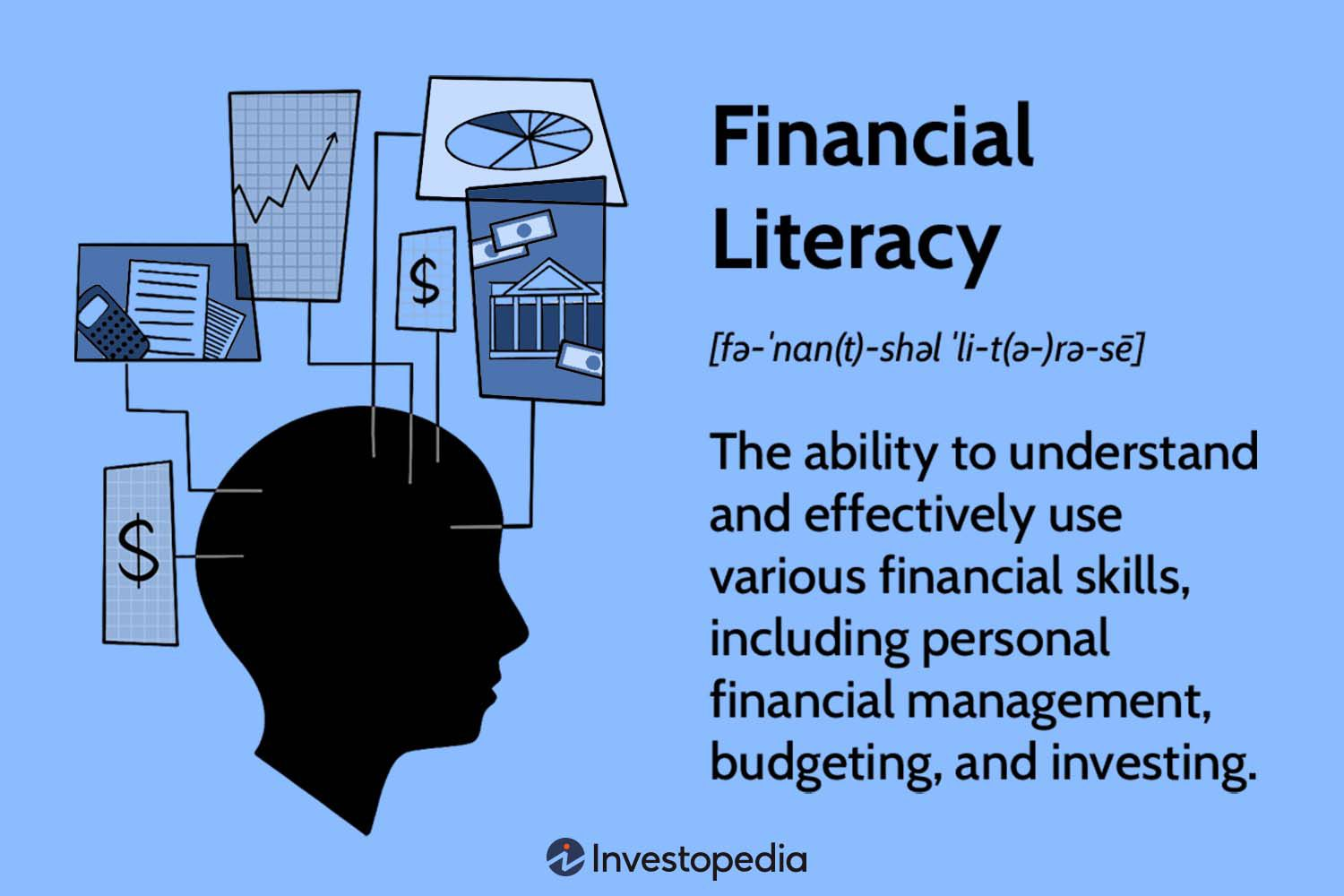
Understanding Financial Literacy
Financial literacy is not just about knowing how to budget or save; it encompasses a broad spectrum of knowledge, including understanding financial products, interest rates, investment strategies, and the implications of debt. It involves the ability to read and interpret financial statements, understand credit scores, and make informed decisions regarding loans, mortgages, and insurance.
The absence of financial literacy can lead to poor financial decisions, resulting in debt accumulation, inadequate savings, and financial stress. Conversely, individuals who possess financial literacy are better equipped to navigate the complexities of the financial world, leading to improved financial outcomes.

The Benefits of Financial Literacy
- Better Money Management: Individuals with financial literacy can create budgets, track expenses, and prioritize savings. This skill is essential for achieving financial stability and avoiding unnecessary debt.
- Informed Investment Decisions: Understanding investment options, risk management, and market trends allows individuals to make informed choices about where to invest their money. This knowledge can lead to wealth accumulation over time.
- Debt Management: Financially literate individuals are more likely to understand the terms and conditions of loans and credit cards. They can make informed decisions about borrowing and repayment, reducing the likelihood of falling into debt traps.
- Retirement Planning: Knowledge of retirement accounts, such as 401(k)s and IRAs, enables individuals to plan for their future effectively. Understanding the importance of compound interest can motivate individuals to start saving early.
- Financial Independence: Ultimately, financial literacy fosters a sense of empowerment and independence. Individuals who understand their financial situation can make choices that align with their goals, leading to a more fulfilling life.
The Current State of Financial Literacy
Despite the clear benefits of financial literacy, studies indicate that many individuals lack essential financial knowledge. According to a survey conducted by the National Endowment for Financial Education, only 17% of Americans could answer basic financial questions correctly. This gap in knowledge is concerning, especially in a world where financial decisions are increasingly complex.
Factors contributing to this lack of financial literacy include inadequate education, cultural attitudes towards money, and the overwhelming amount of information available online. Many people do not receive formal education in personal finance, leaving them ill-prepared to handle their financial futures.
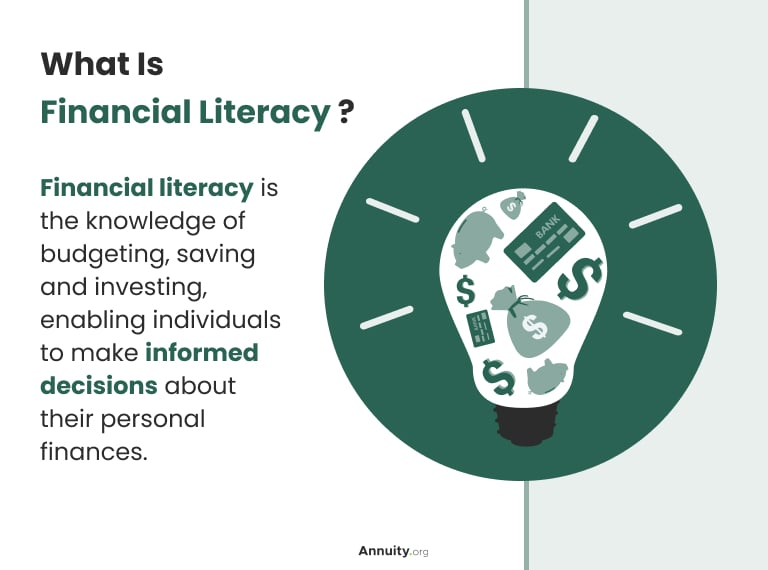
Cultivating Financial Literacy
To address the financial literacy gap, several strategies can be implemented:
- Education in Schools: Incorporating personal finance courses into school curriculums can equip students with essential financial skills. Teaching concepts such as budgeting, saving, and investing from a young age can set the foundation for a financially literate generation.
- Community Programs: Local organizations can offer workshops and seminars focused on financial literacy. These programs can provide valuable information on budgeting, credit management, and investment strategies to community members.
- Online Resources: The internet offers a wealth of information on personal finance. Websites, podcasts, and online courses can serve as valuable tools for individuals seeking to improve their financial knowledge.
- Financial Advisors: Consulting with a financial advisor can provide personalized guidance and education. Advisors can help individuals understand their financial situation and develop strategies to achieve their goals.
- Encouraging Open Discussions: Creating an environment where individuals feel comfortable discussing financial topics can foster learning. Families and friends can share experiences, tips, and resources, promoting a culture of financial literacy.

Conclusion
In conclusion, financial literacy is a vital skill that empowers individuals to take control of their financial futures. By understanding financial concepts and making informed decisions, individuals can achieve financial stability and independence. As society continues to evolve, prioritizing financial education and promoting financial literacy will be essential in equipping future generations with the tools they need to succeed in an increasingly complex financial landscape.