

Understanding Credit Scores: The Key to Financial Health
A credit score is a numerical representation of an individual’s creditworthiness, reflecting their ability to repay borrowed money. It plays a crucial role in personal finance, influencing everything from loan approvals to interest rates. Understanding credit scores is essential for managing your financial health and making informed decisions. This article explores the components of credit scores, their importance, and how to improve and maintain a good credit score.
What is a Credit Score?
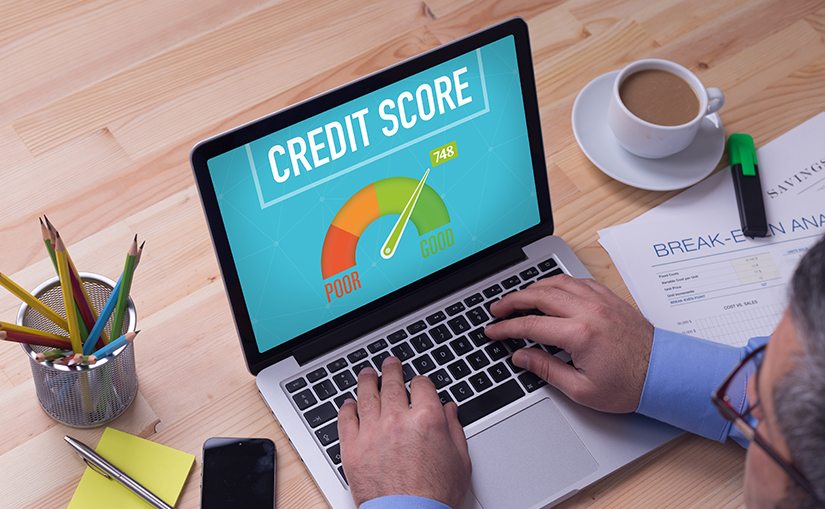
A credit score is a three-digit number, typically ranging from 300 to 850, that summarizes an individual’s credit history and financial behavior. Lenders use credit scores to assess the risk of lending money or extending credit to a borrower. The higher the credit score, the more favorable the terms of credit are likely to be.

Components of a Credit Score
Credit scores are calculated based on several factors, each contributing to the overall score:
- Payment History (35%): This is the most significant factor in determining your credit score. It reflects your record of making timely payments on credit accounts, including loans, credit cards, and mortgages. Late payments, defaults, and bankruptcies negatively impact this component.
- Credit Utilization (30%): This ratio measures the amount of credit you are using compared to your total available credit. A lower credit utilization ratio indicates responsible credit use. Ideally, you should aim to keep your utilization below 30%.
- Length of Credit History (15%): This factor considers how long your credit accounts have been active. A longer credit history generally contributes positively to your credit score, as it provides more data on your borrowing behavior.
- Types of Credit (10%): Credit scores consider the variety of credit accounts you have, such as credit cards, installment loans, and mortgages. A mix of different types of credit can positively impact your score.
- New Credit Inquiries (10%): When you apply for new credit, lenders perform a hard inquiry on your credit report, which can temporarily lower your score. Multiple inquiries within a short period can signal to lenders that you may be a higher risk.
Importance of Credit Scores
- Loan Approvals: Lenders use credit scores to determine whether to approve a loan or credit application. A higher score increases your chances of approval.
- Interest Rates: Your credit score directly affects the interest rates offered on loans. A higher score typically results in lower interest rates, saving you money over time.
- Rental Applications: Landlords often check credit scores as part of the rental application process. A good credit score can improve your chances of securing a rental property.
- Insurance Premiums: Some insurance companies use credit scores to determine premiums for auto and homeowners insurance. A higher score may lead to lower premiums.
- Employment Opportunities: Certain employers may check credit reports as part of the hiring process, especially for positions that involve financial responsibilities. A good credit score can enhance your job prospects.

How to Improve and Maintain a Good Credit Score
- Pay Your Bills on Time: Consistently making on-time payments is the most effective way to improve your credit score. Set up reminders or automatic payments to avoid late payments.
- Keep Credit Utilization Low: Aim to use no more than 30% of your available credit. If possible, pay off your credit card balances in full each month to maintain a low utilization rate.
- Avoid Opening Too Many New Accounts: Limit the number of new credit accounts you open within a short period. Each new inquiry can temporarily lower your score.
- Regularly Check Your Credit Report: Obtain free credit reports from the major credit bureaus (Equifax, Experian, and TransUnion) at least once a year. Review your reports for errors or discrepancies and dispute any inaccuracies.
- Maintain Old Credit Accounts: Keeping older credit accounts open can positively impact your credit score by increasing the length of your credit history. Avoid closing old accounts unless necessary.
- Diversify Your Credit Mix: If you have only one type of credit, consider diversifying your accounts. For example, if you only have credit cards, consider adding an installment loan, such as a personal loan or auto loan.
Conclusion
In conclusion, understanding credit scores is essential for managing your financial health and achieving your financial goals. A good credit score opens doors to better loan terms, lower interest rates, and improved opportunities. By focusing on timely payments, maintaining low credit utilization, and regularly monitoring your credit report, you can improve and maintain a healthy credit score. With a solid credit foundation, you can navigate the financial landscape with confidence and security.